
The evolution of gambling A journey through time and culture
The Ancient Origins of Gambling
The history of gambling can be traced back to ancient civilizations, where games of chance played a pivotal role in societal activities. Archaeological evidence suggests that the Chinese were betting on games as early as 2300 BC, with gambling being woven into the fabric of their culture. Ancient Greeks and Romans also indulged in various forms of gambling, from dice games to betting on gladiatorial contests, which were often viewed as a form of entertainment as well as a test of fortune. For those interested in understanding more about the evolution of these practices, you can read more about their significant impact.

These early forms of gambling served not only as recreation but also as social events that fostered community engagement. Rituals often accompanied these games, linking them to religious practices and beliefs. For instance, in many cultures, gambling was seen as a way to appease the gods or predict the future, showcasing the deep-rooted connections between fate, fortune, and spirituality.
The Role of Gambling in Medieval Societies
During the medieval period, gambling underwent significant transformations. In Europe, the establishment of card games introduced a new dimension to gambling, allowing it to spread beyond the aristocracy to the general populace. Gambling houses began to emerge, providing venues for people to engage in various games of chance, from dice to cards. This democratization of gambling helped it to become a normalized aspect of social life.
However, the medieval era also saw a moral backlash against gambling. Religious authorities often condemned it, viewing it as a vice that could lead to moral decay. Yet, this opposition didn’t deter the popularity of gambling; instead, it often drove it underground, resulting in clandestine gambling activities that persisted despite official disapproval.
Gambling in the Age of Enlightenment and Beyond
As the Age of Enlightenment unfolded, attitudes towards gambling began to shift once more. Rational thought and scientific inquiry influenced societal perspectives, with some viewing gambling as a legitimate form of risk assessment and strategy. This period saw the establishment of formal gambling institutions, such as lotteries, which were introduced as a means of generating public revenue while offering citizens the thrill of a potential win.
The industrial revolution further transformed the gambling landscape, providing new means of betting and access to gambling through the proliferation of racecourses and betting shops. The rise of the casino in the 18th century, particularly in places like Monaco, became synonymous with luxury and entertainment, marking gambling as a desirable pursuit among the elite.
The Modern Era of Gambling and Cultural Perceptions
Today, gambling is a multifaceted industry that transcends geographical boundaries and cultural perceptions. The advent of technology has revolutionized the way people gamble, with online casinos and mobile betting apps gaining immense popularity. This shift has not only made gambling more accessible but has also transformed its cultural implications, with discussions around responsible gambling and addiction emerging as significant social issues.
Cultural perceptions of gambling vary widely around the globe. In some societies, it is embraced as a form of entertainment, while in others, it remains stigmatized. This dichotomy reflects broader societal values and beliefs regarding risk, chance, and morality, as communities grapple with the implications of gambling in contemporary life.
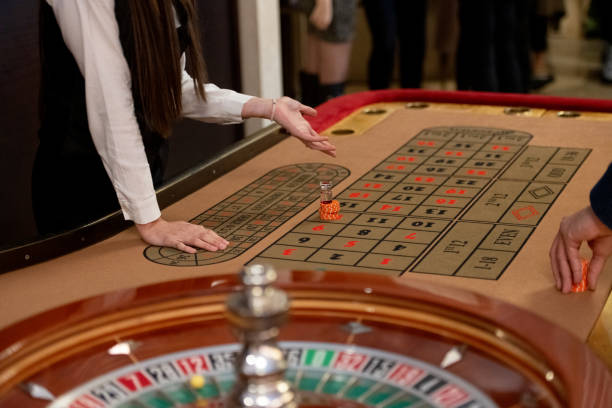
Graduate Careers and the Gambling Industry
As the gambling industry continues to evolve, it presents numerous career opportunities for graduates. From roles in game design and software development to marketing and regulatory compliance, the sector offers a diverse array of paths for those looking to enter the workforce. Graduate programs increasingly incorporate the study of gambling’s economic and social impacts, preparing students for a dynamic and growing field.
For those interested in exploring careers within this fascinating industry, resources and guidance are readily available to help navigate the complexities of employment in gambling. Understanding the cultural, economic, and technological factors that shape the industry will be invaluable for aspiring professionals in this area.